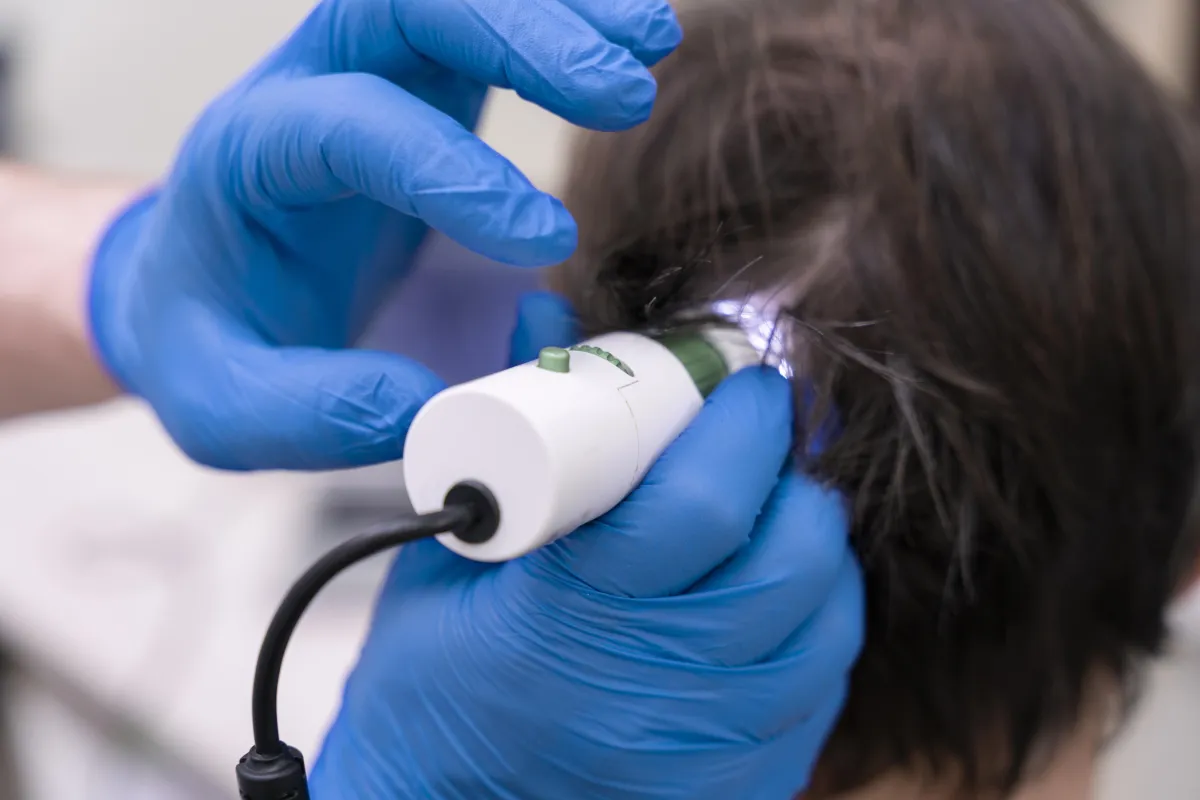
Scarring Alopecia and CCCA: Lichen Planopilarus, the most common form seen in our center

Scarring Alopecia & CCCA at SBLHairloss
Lichen Planopilaris (LPP): The Most Common Scarring Alopecia Seen in Our Center
At SBLHairloss, one of the most frequently diagnosed forms of scarring alopecia we encounter is Lichen Planopilaris (LPP)—a rare but serious inflammatory condition that leads to permanent hair loss if not addressed early and appropriately.
What Is Lichen Planopilaris (LPP)?
Lichen Planopilaris is a form of cicatricial (scarring) alopecia in which the body’s immune system mistakenly attacks the hair follicle—specifically the follicular stem cells responsible for hair regeneration. Over time, this inflammatory assault destroys the follicle and replaces it with scar tissue, preventing future hair growth.
LPP primarily affects the scalp but may also involve the eyebrows, underarms, or pubic hair. A commonly associated variant is Frontal Fibrosing Alopecia (FFA), which typically presents as progressive hairline recession and eyebrow loss.

Key Characteristics of LPP
Inflammatory Condition
Immune cells target the hair follicle, triggering chronic inflammation.Scarring Alopecia
Once follicles are destroyed, hair loss is permanent in those areas.Common Symptoms
Redness and scaling around follicles
Itching, burning, tenderness
Flaky patches
Smooth or shiny bald areas on the scalp
Primary Location
Scalp (with possible involvement of eyebrows and body hair)
Common Forms (Variants)
Classic Lichen Planopilaris
Patchy areas of hair loss with perifollicular redness and scale.Frontal Fibrosing Alopecia (FFA)
A subtype marked by scarring hair loss along the frontal hairline and temples, often accompanied by eyebrow thinning or loss.
Causes & Triggers
The exact cause of LPP remains unknown, but it is widely considered an autoimmune-mediated condition, where T-cells attack hair follicle stem cells.
Potential contributing factors may include:
Chronic immune dysregulation
Infections
Medications
Chemical or environmental exposures
Gut inflammation and food intolerances
Diagnosis
Accurate diagnosis is critical and typically includes:
Comprehensive scalp and follicular examination
Scalp biopsy (gold standard)
Supporting blood work when indicated
SBLHairloss Trichologist-Guided Management Approach
While medical treatment focuses on suppressing inflammation, our trichology-based model emphasizes identifying and reducing inflammatory triggers from the inside out.
1. Identify Inflammatory Triggers
We recommend beginning with a food intolerance test to uncover dietary contributors to immune activation. Tap here to schedule a virtual scan with an (FSA/HSA) intolerance test here: https://link.hairlosscenternj.com/widget/bookings/sbl2/virtuallinkconsult
Once identified, strict elimination of the foods and consistency are key.
2. Support Gut & Colon Health
Chronic inflammation often originates in the gut. Supporting regular waste elimination may help reduce systemic immune burden.
Suggested options include:
Colon-support formulations designed to promote gentle cleansing regularly once per season with- https://store.hairlosscenternj.com/products/biotics-research-colon-cleanse-tabs?utm_source=copyToPasteBoard&utm_medium=product-links&utm_content=web
Aloe-based gut-soothing supplements to support intestinal lining health
(Product recommendations may be provided during consultation based on individual needs.)
3. Reduce Systemic Inflammation
Reduce sugars to 50 grams and under per day and processed foods as this increases pain, stiffness and increases the inflammatory response.
Incorporate anti-inflammatory nutrients such as:
Turmeric & Curcumin-https://www.isotonix.com/product/curcumin-extreme/?id=10107&idType=product
Ginger (supports pain reduction and inflammation modulation)
Essential fatty acids that are good for your blood type (e.g., full-fat coconut oil)
Natural aloe for digestive and inflammatory support-https://www.isotonix.com/product/ultimate-aloe/?id=2232&idType=product
OPC's & Red wine products These supplements blend extracts from grape seed, pine bark (Pycnogenol®), red wine, bilberry, and citrus to combat free radicals, support cardiovascular and joint health, promote circulation, and aid vision, often in an easily absorbed isotonic formula. https://www.isotonix.com/product/isotonix-opc-3/?id=2217&idType=product
4. Restore Microbial Balance
Add prebiotic and probiotic fiber such as -https://store.hairlosscenternj.com/products/organic-india-psyllium-pre-pro-biotic-fiber?utm_source=copyToPasteBoard&utm_medium=product-links&utm_content=web to support gut microbiome balance, which plays a role in immune regulation and inflammatory control.
Medical Management (Under Physician Care)
The goal of medical treatment is to control inflammation, slow disease progression, and preserve remaining hair and follicles that haven't been subject to the immune system disturbance..
Common treatments may include:
Topical or oral corticosteroids
Hydroxychloroquine (antimalarial therapy)
Tacrolimus
JAK inhibitors
Other immune-modulating medications
Scalp & Hair Care Recommendations
Use gentle, pH-balanced, hypoallergenic shampoos
Avoid harsh detergents and irritants
Incorporate anti-inflammatory botanical oils to help soothe burning and tenderness-https://store.hairlosscenternj.com/products/itchy-calm-scalp-shampoo-and-conditioner-with-free-scalp-mask?utm_source=copyToPasteBoard&utm_medium=product-links&utm_content=web
If yeast or fungal activity is present, a ketoconazole-based cleanser may be recommended
Salicylic acid–based products can help reduce scaling and scalp pruritus
Prognosis
Lichen Planopilaris is a long-term condition, but with early detection and consistent management, it often becomes inactive or stabilized.
However, hair loss in scarred areas is typically permanent, which makes early intervention essential.
Final Thoughts from SBLHairloss
At SBLHairloss, we believe managing scarring alopecia requires more than symptom suppression—it requires understanding why inflammation exists in the first place. By combining medical collaboration, scalp-focused trichology care, and gut–immune support strategies, we aim to protect remaining follicles and improve quality of life for our clients.
If you are experiencing unexplained scalp symptoms, tenderness, or progressive hair loss, early evaluation is critical.

More information may be found here: https://hairlosscenternj.com/post/scarring-alopecia-and-ccca-lichen-planopilarus
Connect with us today! https://HairLossCenterNj.com


